01 / IDENTITY
Which agents are running, and who uses them?

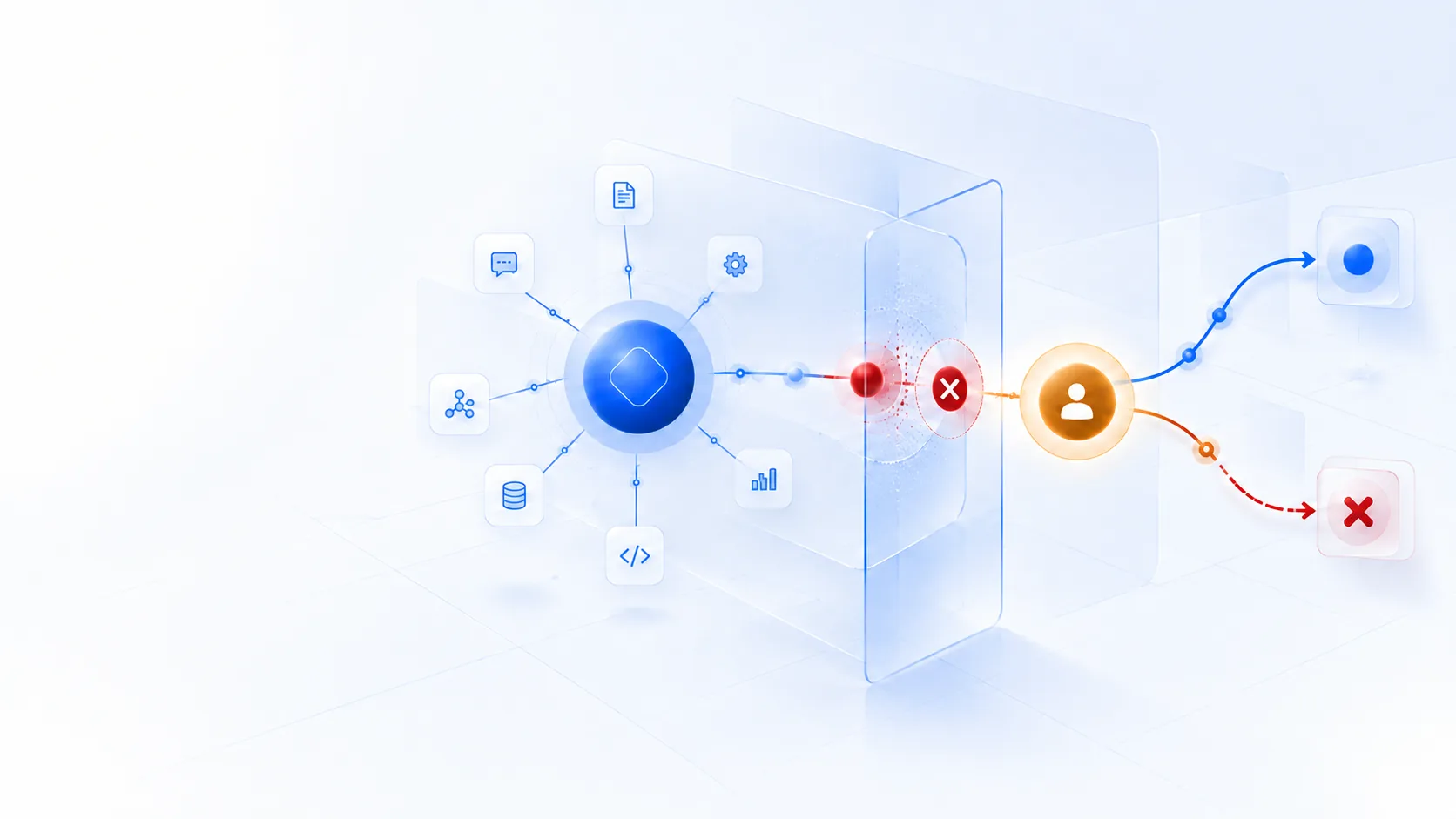
After agents go live, discover them and their behavior chains. Monitor sessions, task plans, tool calls, network requests, and file operations. Identify unusual behavior and security risks, then intervene at decision and execution points through parameter constraints, action blocking, human approval, and other controls.
Agents can plan tasks, call tools, and work with real business data over multiple steps. A one-time check before deployment cannot show what is happening during operation.
Which agents are running, and who uses them?
What have they planned, called, and executed?
What data have they accessed and transmitted?
Can risky actions be controlled before they cause harm?
 OpenClaw
 DeepSeek Harness
 WorkBuddy
 Hermes
 n8n
 Coze
 VS Code
 Codex
The system governs agents by connecting assets, sessions, behaviors, risks, interventions, and policy changes in a continuous security loop.
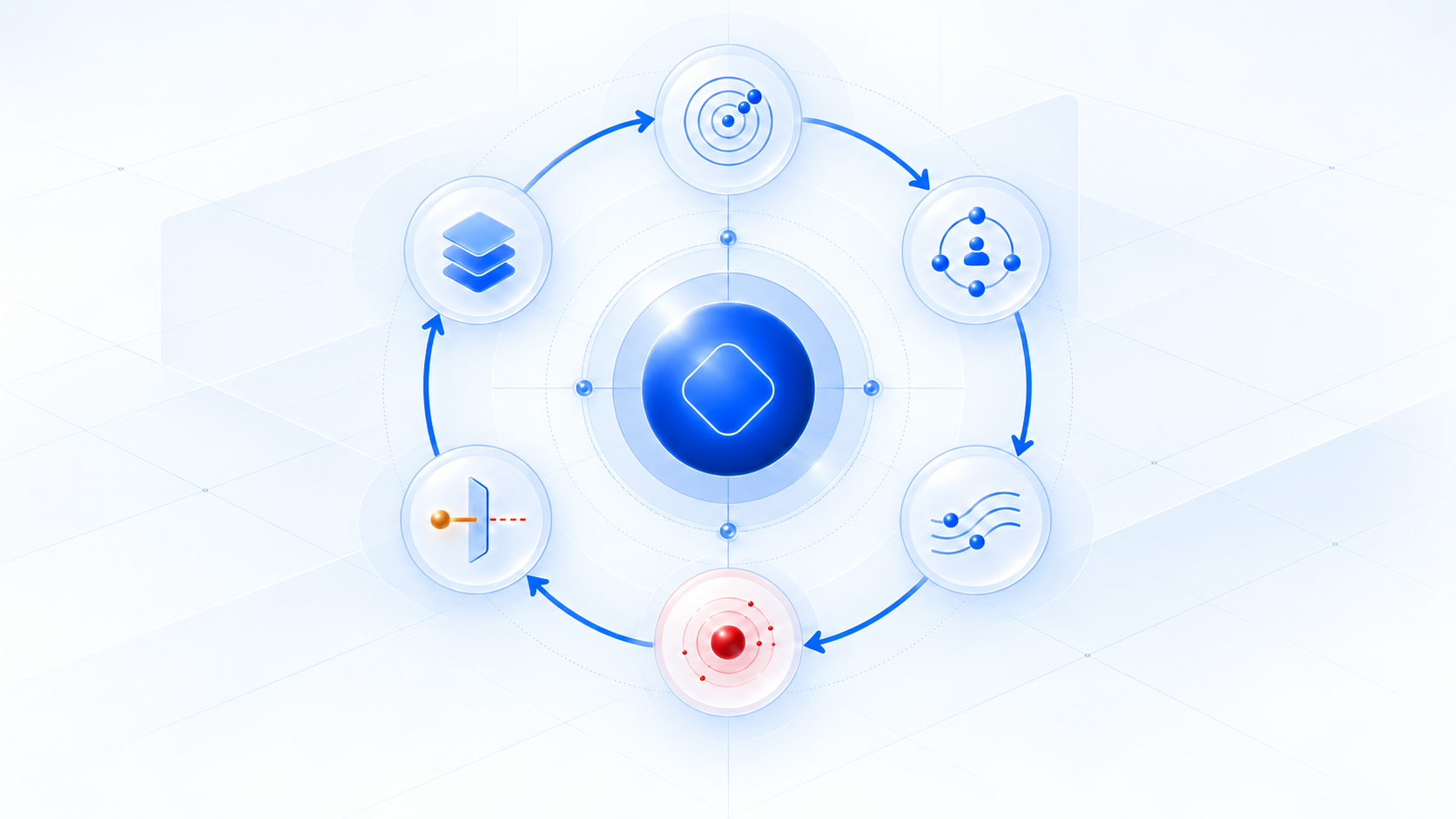 Discover agentsBuild agent profilesObserve behavior continuouslyIdentify runtime risksIntervene in dangerous actionsImprove policies and security profiles
Automatically discover running agents and maintain an inventory and their locations.
Map models, tools, skills, MCP services, knowledge bases, and call relationships.
Record sessions, plans, tool calls, network requests, and data operations.
Use behavior relationships, threat models, and rules to detect unusual operations.
Control risks through constraints, blocking, approval, and further assessment.
Adjust policies based on outcomes and build security profiles and behavior baselines.
Connect each agent's identity to its runtime environment, sessions, models, tools, and data operations so security staff can reconstruct what it did during a task.
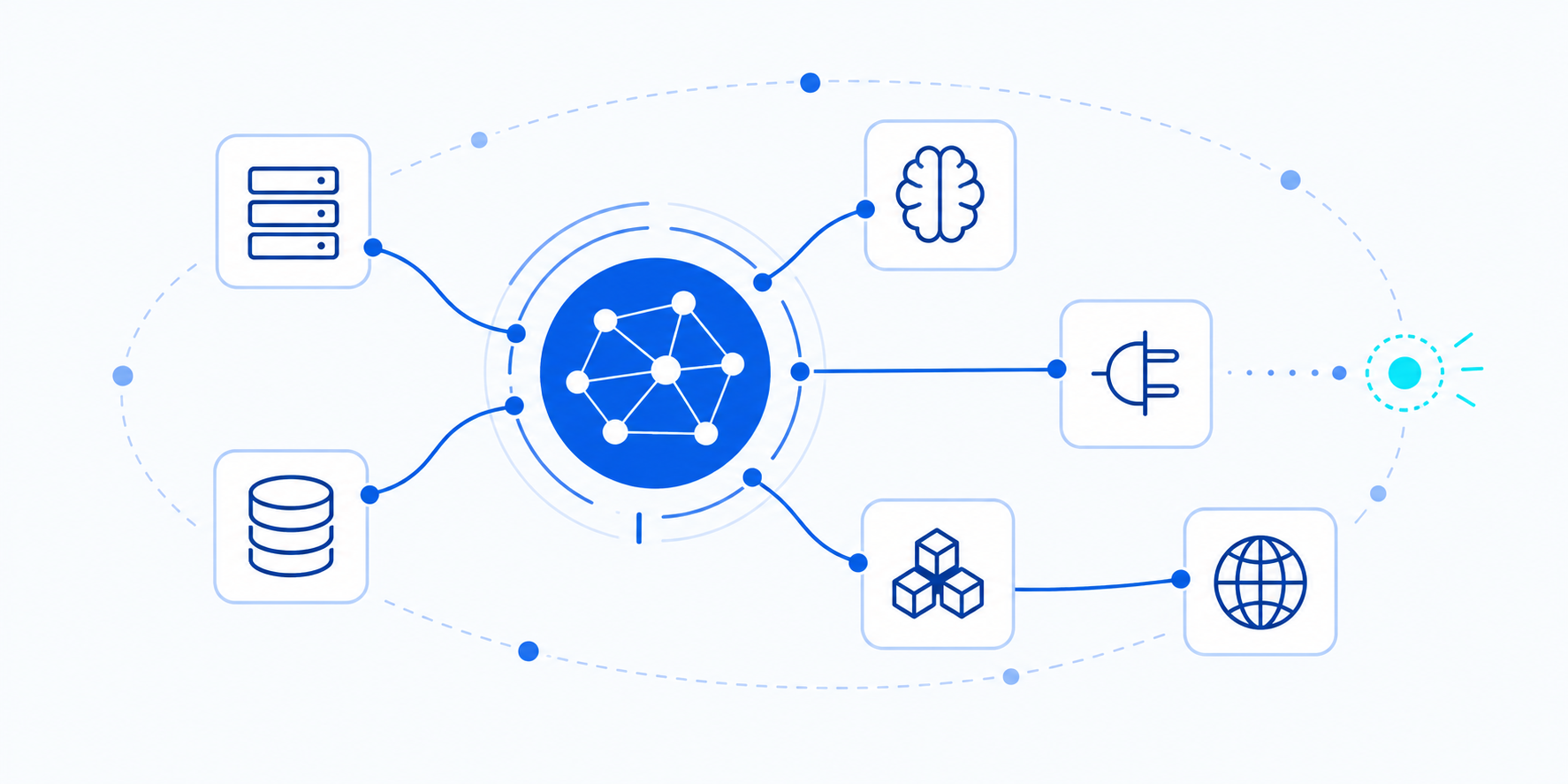
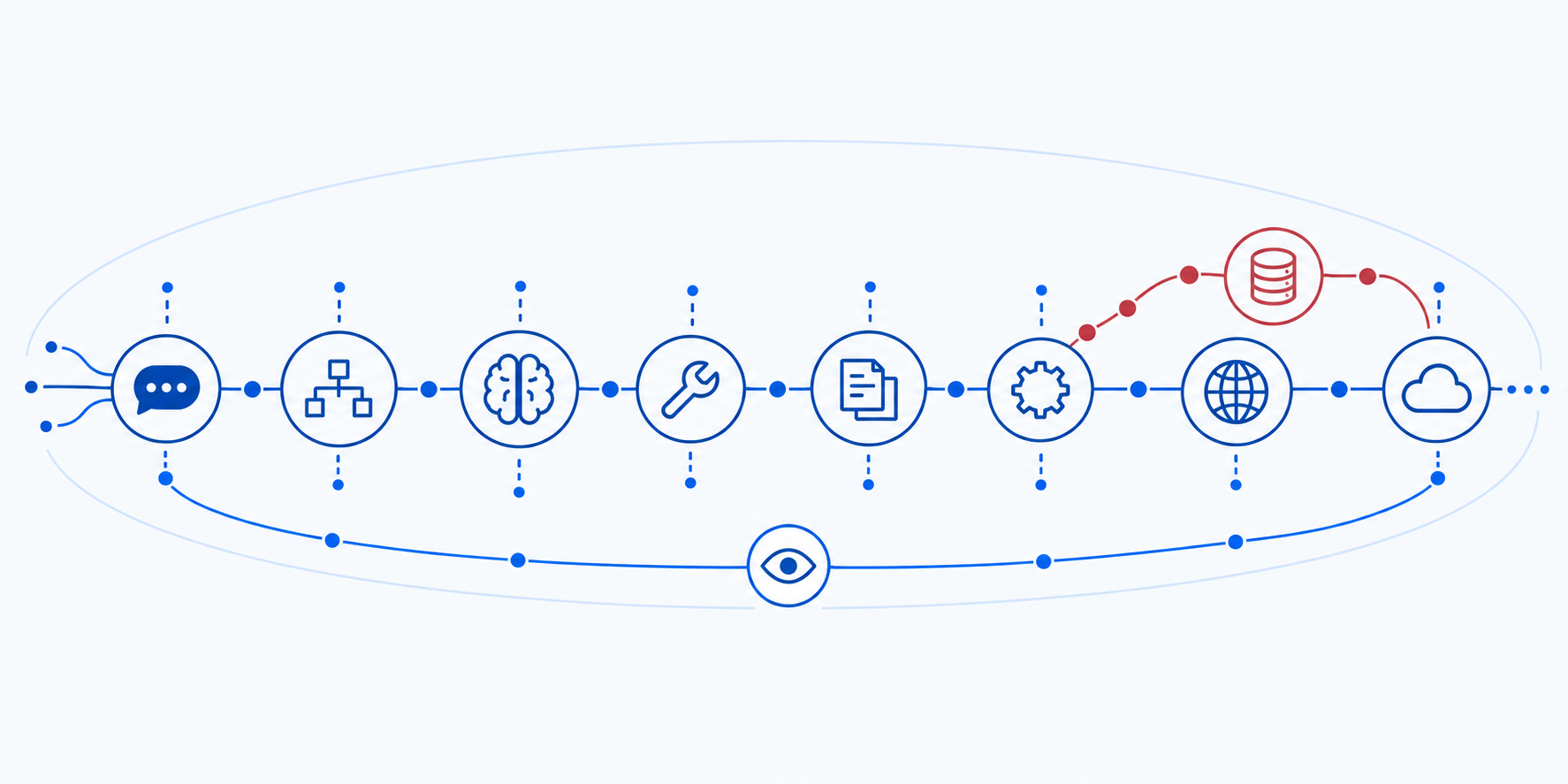
The system uses agent behavior, threat models, and external intelligence to identify runtime risks and offer different levels of control at decision and execution points.
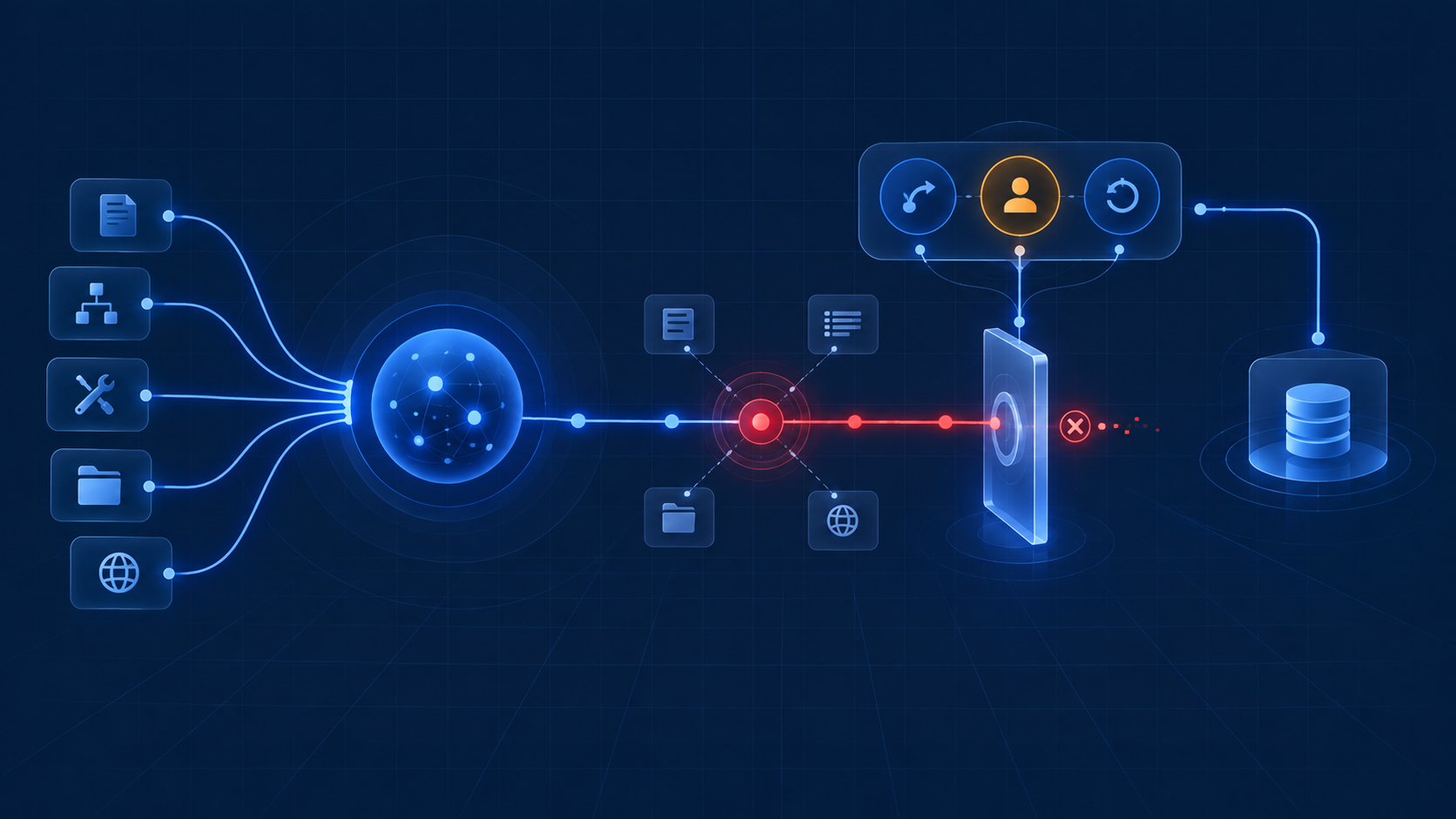
Identify unusual tool calls, unauthorized actions, dangerous commands, unusual file access, and outbound sensitive data. Link findings to agents, sessions, and behavioral evidence.
Restrict dangerous operations during execution through action interception and other measures to reduce the chance of further impact.
Use context intervention, safety guidance, human approval, control handover, or further assessment to bring high-risk actions into an explicit authorization and response process.
Continuously connect an agent's behavior, risks, intervention outcomes, and policy changes so security teams can review responses and gradually build a behavior baseline.
Use risk assessments, blocked actions, and human responses to inform later policy adjustments.
Keep historical records by agent to support ongoing governance and behavior baselines.
Continuously observe agent access to files, data, networks, and external tools. Identify sensitive data operations outside task goals or authorization, and apply parameter limits, human approval, action blocking, or safety guidance according to risk level.
Provide risk identification and classification, human authorization, runtime monitoring, incident response, and log retention around agent identity, permissions, tool calls, autonomous behavior, and data handling. Support security checks, remediation, and ongoing governance.
Connect agents, sessions, models, tools, files, processes, and network behavior with assessments, blocks, approvals, and policy changes. Trace a risk event back through the behavior chain and responsibility boundaries.
The system can integrate through plugins or eBPF according to the runtime environment and deploy the upper-level governance platform on an enterprise intranet. Data collection scope, executable actions, operating system conditions, and network requirements depend on project integration assessment.
Tell us which agents and runtime environments you use, which data and behavior risks concern you, and which integration method you prefer. We can discuss compatibility and a trial plan.