Agent Security Assessment System
Proactive assessment identifies security risks in environments, models, configurations, tools, skills, MCP services, and dependencies, producing findings that can be verified, remediated, and retested.

Security needs span tool admission, version changes, and continuous operation as agents move from planning and development to deployment. Star Sight Technology's two products cover proactive assessment before deployment, behavior monitoring afterward, and coordination between assessment results and runtime policies.
Explore the product suiteBefore deployment, identify security issues in environments, configurations, tools, and dependencies early. After deployment, keep track of what agents do, what data they transmit, and whether risks are emerging. The products have separate responsibilities and coordinate through assessment targets, risk findings, and protection policies.
Proactive assessment identifies security risks in environments, models, configurations, tools, skills, MCP services, and dependencies, producing findings that can be verified, remediated, and retested.
Continuously collect and analyze agent behavior and environment data. Identify unusual behavior, security risks, and newly discovered or changed agent assets, then assess and intervene.
Proactively identify risks that may affect secure operation before agent deployment, tool admission, or version changes.
Explore the assessment system →Assess environments, models, configurations, tools, skills, and MCP services for configuration, excessive-permission, malicious-code, sensitive-data leakage, and supply-chain risks.
Use natural-language asset descriptions to plan, confirm, execute, monitor, and report tasks, with unified orchestration for custom agents.
Record affected objects, severity, location, evidence, and impact. Provide remediation recommendations and update residual risks and disposition after retesting.
Produce a risk list, evidence, remediation recommendations, retesting results, and a security testing report. Pass confirmed findings to the runtime governance system.
Continuously observe agents and behavior chains after deployment, identify emerging security risks, and assess and intervene in high-risk actions.
Automatically discover agents and maintain an inventory. Identify runtime environments and the models, tools, skills, MCP services, knowledge bases, and related services they use.
Collect session context, task plans, tool calls, network requests, file operations, and other behavior data. Record agent inputs, outputs, and call relationships.
Identify unusual operations and security risks from behavior, and intervene through parameter constraints, action blocking, human approval, and further assessment.
Identify new agents, tools, skills, MCP services, and significant configuration or version changes, then send them to the assessment system as targets for assessment.

The two products cover different deployment stages and coordinate through assessment targets and risk findings. New assets and changes discovered during operation enter the assessment scope; confirmed findings inform runtime protection policies.
Continuously identify new agents, tools, skills, MCP services, and significant configuration and version changes.
Send newly discovered assets and changes to the assessment system as targets for assessment.
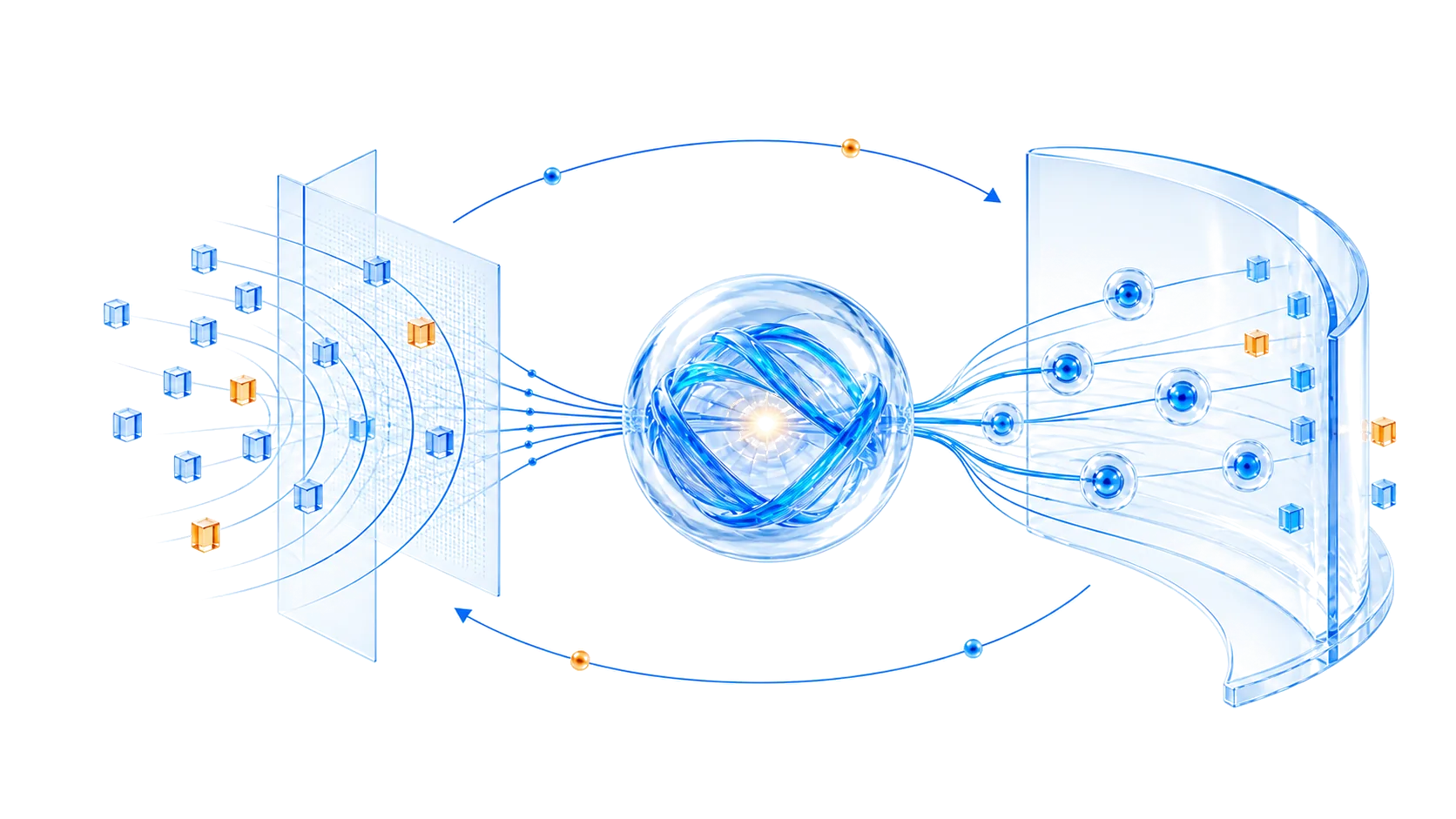
Assess target environments, configurations, tools, skills, MCP services, and dependencies for risks.
Send confirmed affected objects, severity, evidence, and remediation recommendations to runtime governance.
Use assessment findings to generate or adjust protection policy recommendations, subject to security staff review.
Update runtime protection policies after approval, then monitor their effectiveness and asset changes.
Policy activation boundary:Assessment findings inform policy recommendations. Security staff must review and approve them before policy updates. Findings do not automatically deploy a policy or block an action without review.
Tell us whether your agents are preparing for deployment, tool admission, version changes, or continuous operation, and what security issues matter to you. We can discuss suitable products, coordination scope, and ways to use them.